
Predictive Analytics

Our predictive analytics solutions focus on extracting actionable insights from data. We combine statistical analysis with machine learning techniques to build accurate forecasting models.
- Data Analysis: Understanding patterns and trends in historical data.
- Model Building: Using regression and time-series models for forecasting.
- Validation: Ensuring predictions are accurate and reliable.
- Visualization: Presenting insights through dashboards and reports.

Software & Tools


Predictive Analytics Use Cases
Predictive analytics drives smarter business decisions.
-
Sales Forecasting
Predictive analytics helps businesses forecast future sales based on historical data, seasonal trends, and market conditions. By identifying patterns, organizations can make informed decisions about inventory, staffing, and revenue planning, reducing uncertainty and improving profitability.
-
Customer Churn Prediction
Businesses can identify customers who are likely to stop using their services by analyzing behavior patterns, engagement levels, and past interactions. This allows companies to take proactive measures such as personalized offers or targeted engagement strategies to retain valuable customers.
-
Demand & Inventory Planning
Predictive models analyze past purchase behavior, supply chain data, and external factors to forecast product demand. This ensures optimal inventory levels, minimizes stockouts, reduces overstocking, and improves overall supply chain efficiency.
-
Fraud Detection & Prevention
Financial institutions and e-commerce platforms use predictive analytics to detect unusual patterns and potential fraud in real-time. By analyzing transaction history and behavioral anomalies, systems can flag suspicious activities, helping prevent financial losses and enhance security.
-
Marketing Campaign Optimization
Predictive analytics enables businesses to identify the right audience, timing, and channels for marketing campaigns. By analyzing customer behavior and preferences, organizations can create highly targeted campaigns that improve conversion rates and maximize return on investment (ROI).
-
Risk Assessment & Management
Organizations can evaluate potential risks in areas such as finance, insurance, and operations by analyzing historical data and identifying risk patterns. This helps in making proactive decisions, reducing uncertainties, and ensuring business continuity.
-
Healthcare Outcome Prediction
In healthcare, predictive analytics is used to forecast patient outcomes, identify high-risk patients, and optimize treatment plans. It helps in early diagnosis, preventive care, and efficient resource allocation, ultimately improving patient outcomes and reducing costs.
-
Predictive Maintenance
Industries use predictive analytics to monitor equipment performance and predict failures before they occur. By analyzing sensor data and usage patterns, organizations can schedule maintenance proactively, reducing downtime and extending the lifespan of assets.
-
Financial Forecasting
Predictive models help organizations forecast revenue, expenses, and cash flow. This supports better budgeting, investment planning, and financial decision-making by providing insights into future financial performance.
-
Recommendation Systems
Predictive analytics powers recommendation engines that suggest products, services, or content based on user behavior and preferences. This enhances user experience, increases engagement, and drives sales in industries like e-commerce, media, and entertainment.
-
Workforce Planning
Organizations can predict hiring needs, employee performance, and attrition trends using predictive analytics. This helps HR teams plan recruitment, improve employee retention, and optimize workforce productivity.
TECHNOLOGY PARTNERS





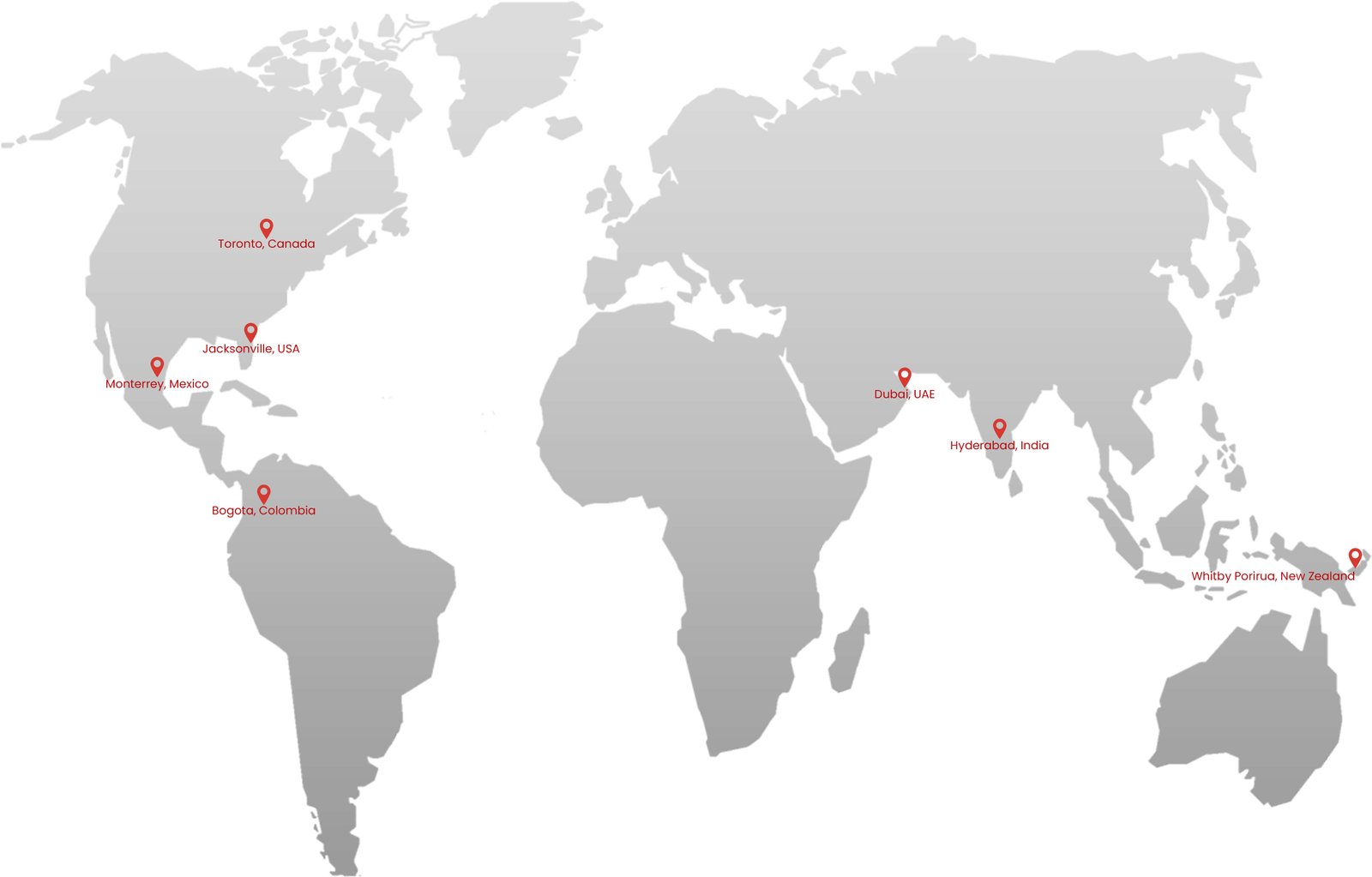
GLOBAL LOCATIONS
Dubai, UAE
Whitby Porirua, New Zealand
Hyderabad, India
Monterrey, Mexico
Bogota, Colombia
GET IN TOUCH

+1-904-900-8850

info@globalitassociates.us

8825 Perimeter Park Blvd.
Suite #501,
Jacksonville, FL-32216.

